Pilates frequency
How often should you do Pilates?
For most people, two to three Pilates classes a week is the sweet spot: enough frequency to build strength and change how you move, with enough recovery in between. One class a week still helps if you keep it consistent. Four or more can work well once your body has adapted and the week mixes intensities.
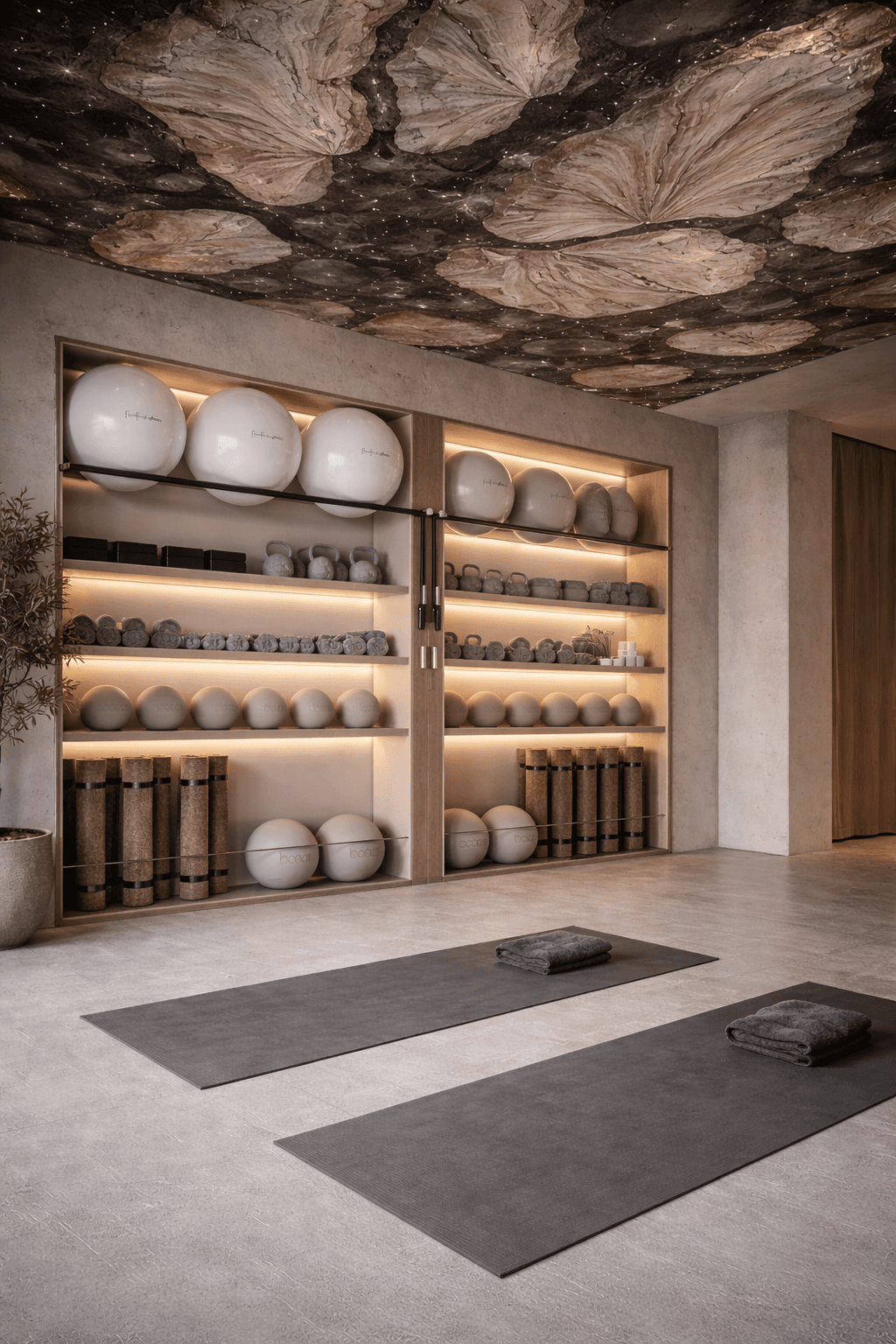
It is also the rhythm Bare Wellness is designed around. The studio opens soon inside Bloom Arjaan by Rotana on Saadiyat Island with more than sixty classes a week across two rooms, mornings, evenings and weekends included, so a two or three class week fits around work rather than competing with it.
At a glance
Frequency at a glance
Two to three
Most people see steady progress at two to three classes a week, spaced so the body has a day to recover between harder sessions.
Once still counts
A single weekly class builds skill and keeps you consistent. Progress is slower, but it is real, especially if you move on other days.
More needs variety
Four or more sessions a week work best when intensity varies, mixing reformer strength days with gentler mat, yoga or breath-led classes.
Consistency beats volume
A schedule you keep for months outperforms an ambitious one you abandon. Pick days you can protect and let the habit compound.
Why two to three classes a week works
Pilates is a skill as much as a workout. Technique like keeping a neutral spine under load or moving from the center takes repetition to become automatic, and two to three sessions a week gives your nervous system that repetition while leaving room to recover. Train once a fortnight and every class feels like starting over. Train daily from the start and quality tends to collapse before strength does.
There is also the practical truth: two to three classes fit real life. A frequency you can hold through busy weeks, travel and school terms will do more for your body over a year than a heroic phase that lasts three weeks. Book the same slots each week and let repetition do the work.
Adjust the number for your goal
For strength and posture, aim for three sessions with at least one on the reformer, where spring resistance lets you load movements progressively. For flexibility and general mobility, two classes a week is enough to feel a difference, provided you actually attend them. If your main goal is stress and sleep, even one slower class a week, paired with short home practice, earns its keep.
If weight loss is the goal, Pilates works as one part of a wider picture that includes walking or other training and how you eat, so frequency matters less than the total week. Set expectations honestly too: most people feel different within a few weeks and see visible change later. Our guide on how long results take covers realistic timelines.
How frequency changes with experience
If you are new, start with two classes a week for the first month. That is enough to learn the vocabulary, the springs and the setup without your body protesting, and it leaves you wanting the next class rather than dreading it. After four to six weeks, most people are ready to add a third session or try a new format.
Experienced movers can hold four or five sessions comfortably, as long as the week is not five maximal classes in a row. Returning after a long break, treat yourself as a beginner for a month, then rebuild. And if you have never done Pilates at all, read our guide to your first Pilates class before you book.
Recovery is part of the dose
Muscles adapt between sessions, not during them, so the gap is where the strength shows up. Deep core and stabilizing muscles recover faster than large muscle groups, which is why Pilates tolerates higher frequency than heavy lifting, but a day between demanding classes still serves most people well. Mild soreness is normal. Soreness that changes how you walk is a signal to ease off.
Watch sleep and mood as much as muscles. If classes start leaving you drained instead of clear-headed, drop a session for a week or swap a hot class for a slower one. And if you are managing an injury, are pregnant or have a medical condition, speak to your doctor about frequency first, then flag it in your profile so instructors can support you.
Mixing class types across the week
Frequency gets easier when the classes are not all the same. Reformer Pilates can carry the strength work, mat classes sharpen control with nothing but body weight, and yoga or breathwork closes the week at a lower gear. At Bare Wellness the timetable is built for this, with the Reformer Studio and the Open Studio running side by side.
Treat hot classes as the week's harder sessions and space them out, since infrared heat adds demand even when the sequence looks familiar. Barre slots in as low-impact endurance on days between reformer sessions. However you arrange it, keep one anchor class at the same time every week. Some workable weeks look like this:
- Twice a week: one reformer class and one mat or yoga class, two days apart.
- Three times a week: two reformer sessions, plus a slower yoga or breathwork class to finish the week.
- Four or more: alternate harder and gentler days, and keep at least one full rest day.
Good to know
Frequently asked
- Is it OK to do Pilates every day?
- Gentle mat work can be daily, and many people practice short sequences at home each morning. Full classes every day is a lot: alternate demanding reformer or hot sessions with slower classes, and keep at least one true rest day. Quality of movement drops before you notice fatigue.
- Is one Pilates class a week enough?
- One class a week keeps the habit and slowly builds skill, and it is far better than none. Progress in strength and flexibility comes noticeably faster at two to three, so treat once a week as a floor to hold during busy periods rather than the plan.
- How many times a week should a beginner do Pilates?
- Two. It is enough to learn the fundamentals without excessive soreness, and it builds a rhythm you can actually keep. After four to six weeks, add a third class if you want faster progress or want to try another format.
- How long does it take to see results from Pilates?
- Most people feel a difference in posture, core awareness and how they move within two to three weeks at two to three classes a week. Visible changes usually follow between one and three months. Consistency matters more than any single class.
- Can I do Pilates on rest days from the gym?
- Yes, this pairing works well. A slower mat or reformer class supports mobility and core control without adding heavy load, so it complements lifting or running days. Keep the Pilates session genuinely easy if the day before was a hard one.
- What if I book three classes and miss one?
- Life happens. You can cancel free of charge up to six hours before class starts and the credit is returned, so move the booking rather than losing it. Inside that window the class is forfeited, so set your week up with times you can realistically keep.
Keep reading
Saadiyat Island, Abu Dhabi
Begin your Bare ritual.
We open soon. Founding memberships are open by invitation: leave your details and your invitation opens straight away.