Pilates and weight loss
Is Pilates good for weight loss?
Pilates can support weight loss, but it works best as one part of a bigger picture that includes nutrition, daily activity and sleep. Classes build lean muscle, improve movement quality and make other training feel easier, which helps you stay consistent. On its own, Pilates is not a shortcut, and no single class type is.
Bare Wellness is a boutique Pilates and yoga studio opening soon inside Bloom Arjaan by Rotana on Saadiyat Island. This guide explains honestly where Pilates fits in a weight loss plan, what it does well, what it does not do, and how to build a weekly rhythm you can actually keep.
At a glance
Where Pilates actually helps
Muscle, not magic
Pilates builds lean muscle and strength through controlled resistance, which supports a healthier body composition over time. It is not a quick fix.
Nutrition leads
Weight loss is driven mostly by what you eat. Pilates supports the process, but it cannot outwork a diet that does not match your goal.
Consistency compounds
Low-impact classes are easy to recover from, so you can train several times a week without burning out. Showing up is what moves the needle.
Movement carries over
A stronger core and better movement quality carry into walking, running and gym sessions, so the rest of your activity works harder for you.
What Pilates does well
Pilates is resistance training. On the reformer, springs load every movement, and on the mat your own bodyweight does the work. Over weeks of consistent practice that builds lean muscle, and muscle is metabolically active tissue: the more of it you carry, the more energy your body uses at rest.
It also improves the way you move. Better posture, a stronger core and more mobile joints make walking, swimming and gym work feel easier, so you do more of them. That indirect effect is real: people who feel good in their bodies tend to stay active.
What Pilates will not do
Pilates is not a calorie furnace, and any studio that sells it as one is overselling. A class is controlled, deliberate work, not an hour of maximal output. If your only measure of a workout is how much you sweat, a slow reformer class will surprise you with how hard it is, but it will not replace a structured nutrition plan.
Weight loss comes down to a sustained energy balance, and food choices set that balance far more than any single class. Movement matters, but it is the supporting act. Think of Pilates as the practice that keeps your body strong, mobile and willing while nutrition does the heavier lifting.
Which classes ask the most of you
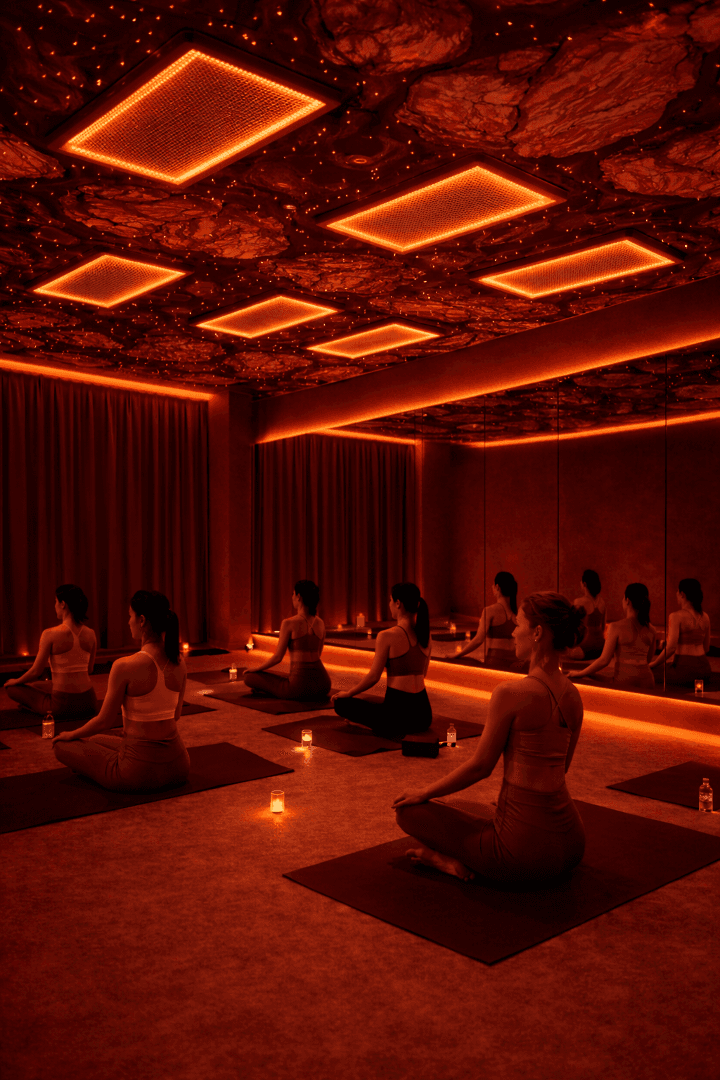
Formats differ. Hot Pilates runs mat-based strength work under infrared heat, which raises the cardiovascular demand and leaves you working noticeably harder than the same sequence in a cool room. Barre adds long sets of small pulses that build muscular endurance and keep your heart rate lifted.
Reformer Pilates is the strength anchor. Spring resistance loads the whole body through slow, controlled ranges, and in the ten-reformer studio the instructor can watch your form closely enough to keep every rep honest. For weight loss, that muscle-building work is the format that pays off longest.
Building a week that works
A realistic weekly rhythm beats an ambitious one you abandon by week three. Two to three classes a week is enough to build strength and keep momentum, especially when the rest of your week includes ordinary movement: walking, swimming, taking the stairs. At Bare Wellness the timetable runs more than sixty classes a week across mornings, evenings and weekends, so the rhythm can fit around work rather than fight it.
Pair formats so the week has texture. Reformer for strength, a hot class for cardiovascular work, yoga when your body needs to slow down. Variety keeps the practice interesting, spreads the load across different muscle groups and gives you a reason to come back on the days when motivation dips.
- Two reformer or mat classes for strength
- One hot Pilates or barre class for endurance
- Daily walking, however unglamorous
- One slower yoga or breathwork session for recovery
- Meals planned with the same care as the classes
What progress really looks like
Progress arrives in a particular order. Strength and body awareness come first, usually within a few weeks of consistent classes. Changes on the scale follow more slowly and depend heavily on what happens in the kitchen. Nobody can promise a timeline for weight loss, and this page will not try.
The scale is also a blunt instrument. Building muscle while losing fat can hold your weight steady even as your body composition improves, so pay attention to strength, energy and how training feels. For a fuller picture of the pace of change, see how long before you see results.
If you are managing a medical condition, are pregnant or are returning from injury, speak to your doctor before starting a new training plan. Members can flag conditions in their profile so instructors know how to support them in class, quietly and without fuss.
Good to know
Frequently asked
- Can I lose weight doing only Pilates?
- Possibly, if your nutrition supports it, but it is the harder route. Pilates builds muscle and keeps you active, while food choices decide most of the outcome. Most people do better pairing two or three classes a week with sensible eating and plenty of everyday movement.
- Is reformer or mat Pilates better for weight loss?
- Both build strength, which is what matters most. The reformer adds spring resistance and suits progressive loading, while mat classes use bodyweight and are easy to practice often. The better class is the one you will attend consistently.
- Does hot Pilates burn more calories?
- Working under infrared heat raises your heart rate and the overall demand of a class, so hot Pilates generally feels harder than the same work in a cool room. Treat the extra sweat as effort, not a shortcut, and rehydrate well afterwards.
- How many times a week should I do Pilates to lose weight?
- Two to three classes a week is a strong base, alongside daily movement like walking. More is not automatically better: recovery, sleep and nutrition decide how much training your body can actually use. Build the habit first, then add volume.
- Is Pilates or the gym better for weight loss?
- Neither wins outright. The gym allows heavier loading, Pilates offers low-impact strength work you can recover from quickly and practice more often. Many members combine the two. For weight loss, the deciding factors are nutrition and consistency, not the venue.
- I have a lot of weight to lose. Can I still start Pilates?
- Yes. Pilates is low impact and scales to the body in front of the instructor, so classes meet you where you are. Speak to your doctor first if you have a medical condition, then let the studio know so your instructor can offer modifications.
Keep reading
Saadiyat Island, Abu Dhabi
Begin your Bare ritual.
We open soon. Founding memberships are open by invitation: leave your details and your invitation opens straight away.