Guide
Pilates vs gym, and how to choose
Neither wins outright. The gym is better for maximal strength, since heavy progressive loading is the most direct way to build it. Pilates is better for control, core stability, posture and the smaller stabilizing muscles that lifting tends to skip, which is why many people quietly do both.
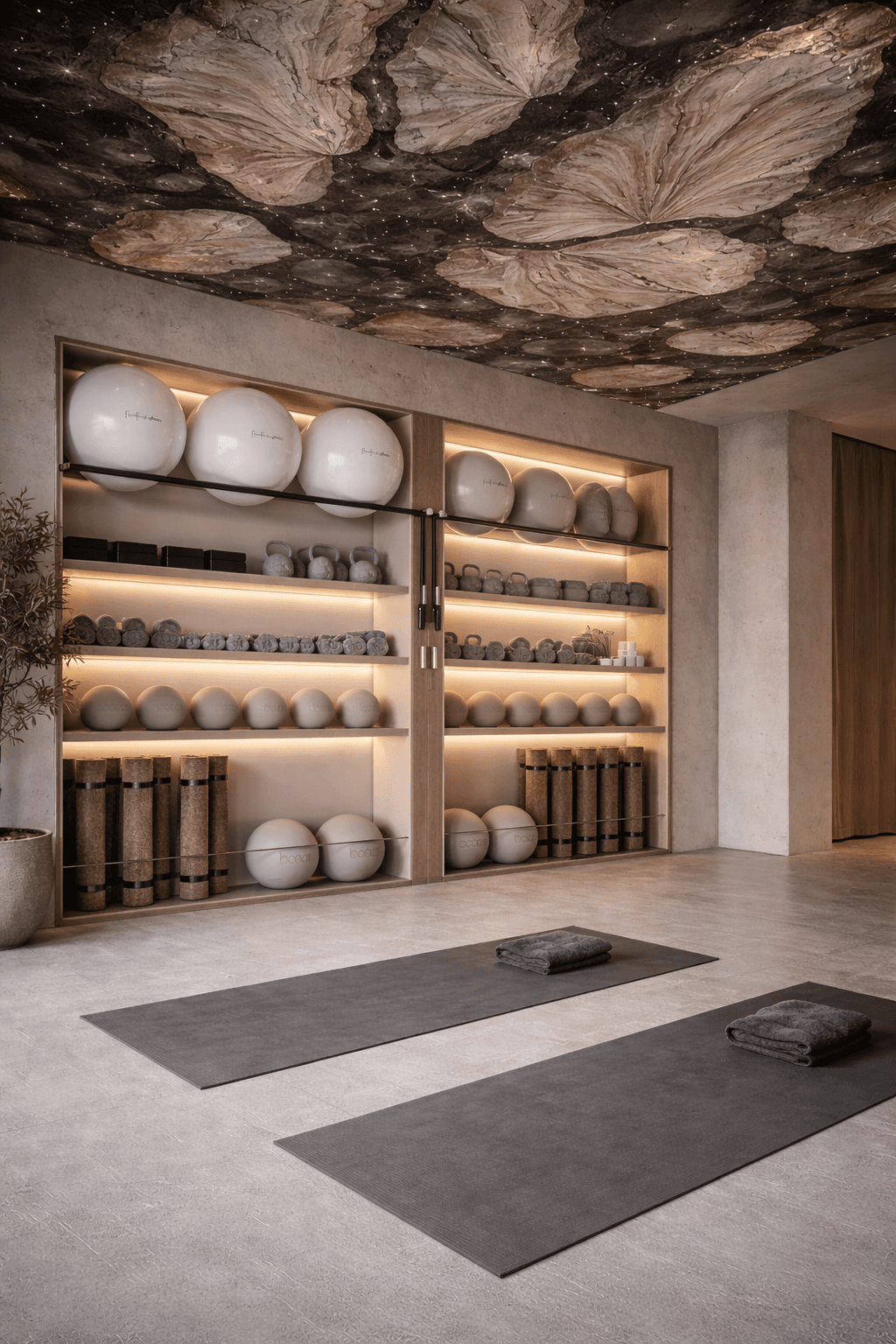
Bare Wellness is a boutique Pilates and yoga studio opening soon inside Bloom Arjaan by Rotana on Saadiyat Island, with a ten-reformer studio built for exactly this kind of technical work. This guide sets out what each approach does well, where they overlap and how to decide what your week needs.
At a glance
The honest comparison
Different kinds of strength
Heavy lifting is the fastest route to maximal strength. Pilates builds strength you can control, through the core, hips and stabilizers.
Posture and control
Pilates trains alignment and precise movement under light load, which supports posture and helps your lifting technique hold up under heavier weight.
Low impact by design
Spring resistance and slow tempo load the muscles without pounding the joints, which makes Pilates easy to train alongside heavier gym days.
Most people do both
The two complement each other well. Lifting adds load, Pilates adds control, and a week that includes both covers more than either alone.
What the gym does better
For maximal strength, the gym wins. Progressive overload with barbells, dumbbells and machines is the most reliable way to make a muscle measurably stronger, and decades of training research back it up. If your goal is a heavier deadlift, visible muscle mass or raw power, structured lifting should stay at the center of your week.
The gym also suits people who like training alone, on their own schedule, with full control over the program. You can isolate a weak muscle, chase specific numbers and progress in small, trackable increments. None of that is a weakness to work around. It is simply a different job than the one Pilates does.
What Pilates does better
Pilates trains the qualities lifting tends to leave out: deep core strength, hip and shoulder stability, balance and precise control through full ranges of motion. On the reformer, spring resistance loads the body while the moving carriage demands stability, so the small muscles around the spine and pelvis work as hard as the big ones.
It is also coached movement. In a reformer Pilates class at Bare Wellness the room holds ten reformers and one instructor, so form gets watched and corrected in real time. That kind of feedback is hard to find on a gym floor, and it is where posture and technique actually change.
Can Pilates replace the gym?
That depends on what you are training for. If the goal is general strength, posture, core stability and feeling capable in daily life, a consistent Pilates practice covers a great deal on its own. Pilates does build muscle, especially through the core, hips and shoulders. If the goal is maximal strength or significant muscle mass, it will not replace heavy progressive lifting.
The honest answer for most people is that the question is the wrong shape. Pilates and the gym are not competing for the same job. One loads the body heavily, the other teaches it to move well under load. Ask what your body is missing, not which practice is better.
How to combine both in a week
Many of the strongest people in a Pilates studio also lift, and the pairing works because the practices recover differently. Pilates is low impact and light on the nervous system compared with heavy training, so it slots between lifting days as active, technical work rather than another stressor.
There is no single correct split, but a useful rule is to let each session have one clear job. Lift on the days you want load. Book Pilates on the days you want control, mobility and core work. If you only have three sessions a week, alternating the two still moves both forward.
- Two gym sessions and two Pilates classes cover most general strength goals
- Schedule reformer classes between heavy lifting days as active, technical work
- Keep at least one full rest day, especially while your body adapts
- Let your priority lead: if strength is the goal, lift fresh and use Pilates as support
Where to start on Saadiyat Island
Bare Wellness opens soon inside Bloom Arjaan by Rotana on Saadiyat Island, a short drive from central Abu Dhabi over the Sheikh Khalifa Bridge. Two rooms run the timetable: the Open Studio for mat Pilates, yoga, barre and hot classes, and the Reformer Studio with its ten reformers. More than sixty classes a week means early sessions before work and evening slots after the gym.
If you lift and are new to Pilates, choose a beginner-friendly reformer or mat class for your first visit and tell the instructor you train in the gym. Bring grip socks, wear fitted clothing and arrive ten minutes early. If you have an injury or medical condition, speak to your doctor first, then flag it in your profile so your instructor can adjust the work.
Good to know
Frequently asked
- What is the difference between gym and Pilates?
- The gym trains muscles against heavy external load, usually one movement or muscle group at a time, which is the most direct route to maximal strength and size. Pilates trains the body as one system under spring and bodyweight resistance, at a slow tempo and with close coaching, so the work lands on control, core stability and posture. They are different tools rather than rivals, and a week that includes both covers more than either alone.
- Is the gym better than Pilates?
- For maximal strength and muscle mass, yes, because heavy progressive loading is the proven route to both. For core stability, control and posture, Pilates is the stronger tool. Neither is better across the board: the right choice depends on your goal, and many people get the best results from doing both.
- Can Pilates replace weight training?
- Not for maximal strength or serious muscle building, where progressive heavy loading is the proven route. Pilates can stand alone for general strength, posture and core stability. If both matter to you, keep the weights and add Pilates for the qualities lifting misses.
- Can I do Pilates and the gym in the same week?
- Yes, and the combination works well. Pilates is low impact, so it recovers easily alongside lifting. Many people train two gym sessions and two Pilates classes a week, using the classes for control, core and mobility between heavier days.
- Is Pilates a good workout for someone who already lifts?
- Yes. Lifters often find Pilates humbling in a specific way: the springs and slow tempo expose weak stabilizers that heavy compound lifts can hide. Regular classes support your bracing, hip control and overhead positions, which tends to show up in your lifting technique.
- Which burns more calories, Pilates or the gym?
- It varies by session, but an intense gym workout usually burns more in the hour. Calorie burn is a narrow measure though. Consistency matters more, and hot Pilates classes with infrared heat raise the intensity if you want a sweatier session.
- Do I need gym experience before starting Pilates?
- No. Classes are coached from the ground up and spring resistance scales to your level, so complete beginners start comfortably. If you do have gym experience, expect familiar movements at an unfamiliar tempo, with more attention on precision than on load.
Keep reading
Saadiyat Island, Abu Dhabi
Begin your Bare ritual.
We open soon. Founding memberships are open by invitation: leave your details and your invitation opens straight away.